In the article ‘Telling Stories: A Reflection on Oral History and New Media’, oral historian Steven High explores some new technologies that have changed the methods of oral history (anno 2010). High argues, as does Michael Frisch, the authority with regard to oral history, that oral history is more than an interview and its transcription […]
Category: Blog

Creating interest or context?
By Corine Bossink Who haven’t heard of them? Twitter accounts or Facebook pages who pretend to present ‘history’, posting ‘historical’ pictures, like @HistoryInPics. In February 2014 they had 1.02 million followers, which expanded to 2.62 million nowadays [1]. They even have a Tumblr, Instagram and Facebook page. In other words, they are amazingly popular. […]
A historical façade or historical experience?
“These accounts strip history of the truly fun parts: curiosity, detective work, and discovery” states the academician Rebecca Onion in ‘Snapshots of History’. Her plea focuses on the argument that widely popular Twitter accounts with historical pictures or photographs are bad for understanding history and therefore bad for people. They are failing to provide context […]
Doing History
The article “I nevertheless am a historian’: Digital Historical Practice and Malpractice around Black Confederate Soldiers” by Leslie Madsen-Brooks centers about the idea that more and more non-academic employed historians are ‘doing’ history and that this is not a bad thing. It is stimulating and it gives hope that so many people want to engage […]
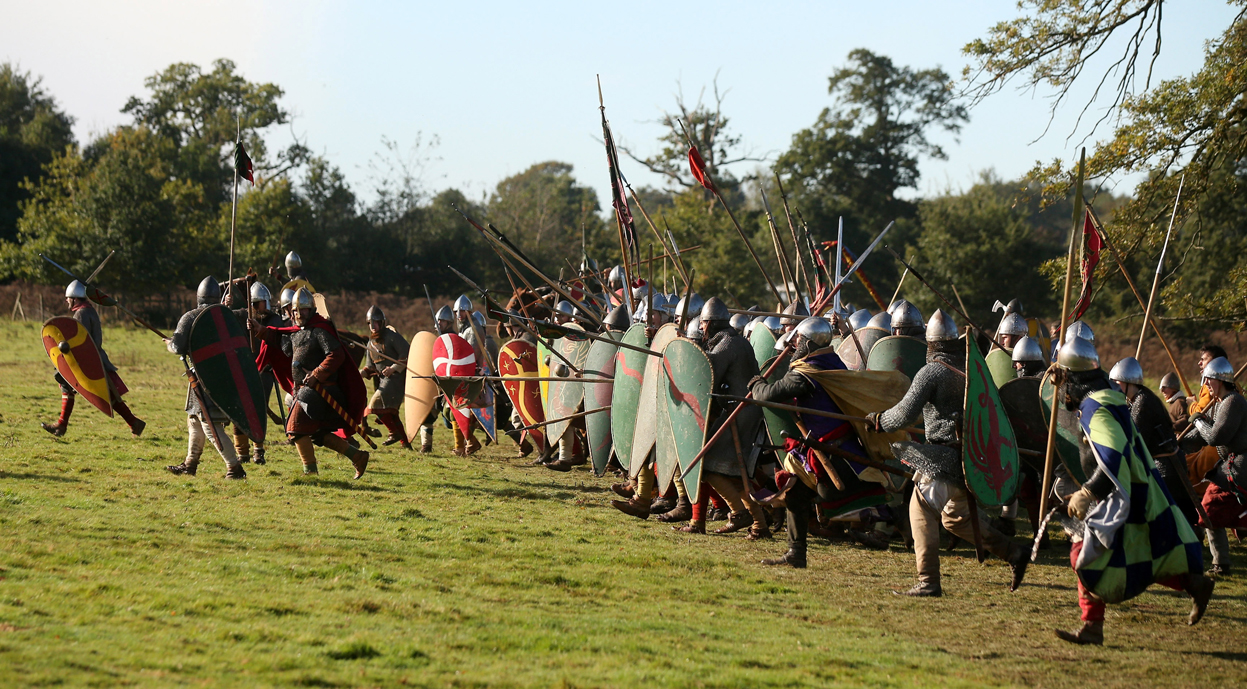
Historical reenactment: playtime or education?
By Babette Smits van Waesberghe From across the hill an uproar can be heard. Metal on metal, shouting and yelling, the ground shaking. The sun can barely break through the clouds, but when it does it illuminates the scene in a golden glow; two armies fighting each other, men holding swords and shields, carrying banners and […]
Crowdsourcing: the pros, the cons and the possibilities
By Marlinde Venema The term ‘crowdsourcing’ has become increasingly more popular in academic and mainstream media, because more and more businesses seem to take to the idea. The concept of crowdsourcing, that holds that commercial enterprises and scientific institutes turn to the public for (online) input in their ventures, has been a source of interest […]
New Means to the Same End
By Machiel Spruijt How does access to huge amounts of new data change the way historians work? Or, more specifically, how should historians make use of the new and various types of data that has become available online? These are some of the questions posed by Tim Hitchcock on his blog post ‘Big Data for Dead […]
The Historical Method 2.0
The hermeneutic challenges of engaging with digital data By Lucia Hoenselaars The world is changing profoundly through the use of the internet. Web 2.0 has caused a social interconnectedness all over the globe which has in turn created the possibility of new and exciting online platforms for intellectual activity. The process of collecting, examining and […]
Upgrading the historian
Author: Maddie van Leenders One stereotype of the historian is that he is intimidated by, maybe even frightened for, but also reluctant to use new digital possibilities to do and present their historical research. Frankly, I am among them. Although the historians of this generation get more in touch with these techniques, by courses during […]
Let’s get physical.
‘The real other? Museum objects in digital contact networks’ by C. Hogsden and E.K. Poulter In ‘The real other? Museum objects in digital contact networks’ Hogdsen and Poulter go into the idea of virtually portraying objects in museums and beyond the borders of museums. Using examples of projects at the University of Cambridge Museum of Archeology […]