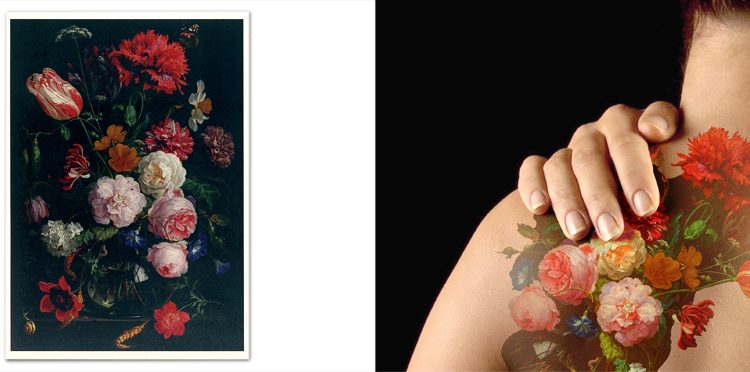
What would you do if you had unlimited access to more than 568.000 digital objects of the Rijksmuseum? The only thing you need is a working internet connection and a laptop. Seems too good to be true? No it is not. A year before the re-opening of the Rijksmuseum (2013) the museum made a new […]
Category: Blog
Diversity and mainstream historical writing
In the 1960s and 1970s, with the social and cultural revolutions, the attention of scholars for minorities grew. Especially in the field of public history, inclusion is seen as an important aspect. The public historian must be there for everyone. Sadly, the attention for minorities faded in mainstream history writing after those decades. Nowadays, diversity […]
Enchanted technology ?: electronic media in contemporary museums
The large-scale emergence of digital media caused a serious transition in many scientific disciplines including history. Digital media has made many new possibilities of practicing history. One of the most important changes is that Big Data offers historians new ways to interpreted and identify specific historical events and link them to bigger historical patterns. For example, […]
DIY: your own Oral History Project
In “Ongekend bijzonder” (former) refugees give their life history. With a project on Indonesian veterans, “Verhalen van Groninger Indië-veteranen“, the Oorlogs- and verzetscentrum Groningen wanted be current to society’s issues. The Jewish Museum in Amsterdam brought a large selection of interviews of Jewish survivors of the Second World War from the USC Shoah Foundation Institute […]
Current lessons from an outdated book
2005, the year that YouTube was founded, Facebook was relatively unknown and Myspace dominated the social networking market. It was also the year that Daniel Cohen and Roy Rosenzweig published their book ‘Digital History: a guide to gathering, preserving, and presenting the past on the web’, an introduction to the internet for people working in […]
Winds of change in an ivory tower
With history faculties worldwide looking as dusty as ever to most, it’s easy to miss that the discipline is in an era of rapid change. The computer revolution has already altered the ways in which historical research is presented and communicated to a broad audience and some projects, like Isao Hashimato’s 1945 – 1998, do […]
Say “Digital Humanities” one more goddamn time
The above meme featuring Samuel L. Jackson has circulated amongst students of the University of Amsterdam for the past few years. It is credited to Frank Ridgeway (2012) and sums up feelings of frustration when confronted with yet another lecture teaching the gospel of new, digital research methods and the joys of Big Data. […]
Wanted! Information about warning signals in gay bars
For the ‘Queering the Collections’ project, two Public History students are looking for personal stories about warning signals used in gay bars in Amsterdam. We are specifically interested in the owl shaped lamps: when the eyes lit up, the visitors knew they had to ‘act straight’. Do you know this lamp or have you heared […]
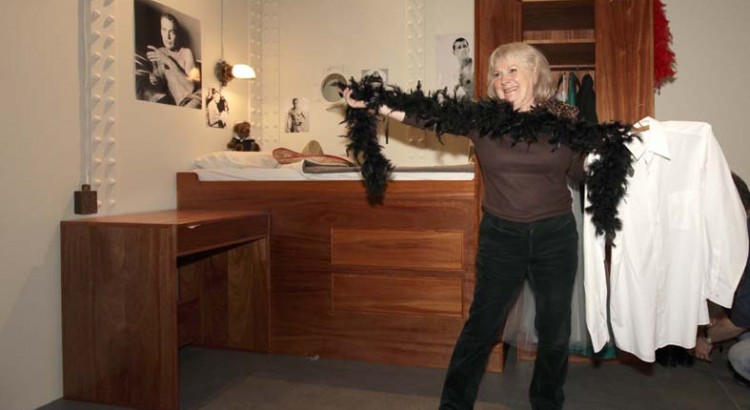
Hello Sailor!: a real hope for mankind?
By Lisa Marie Kuiper ‘Given the right opportunity, we can generously embrace the whole diversity of human experience.’ With this positive statement in the back of her mind, dr. Jo Stanley co-curated the Hello Sailor! exhibit created by National Museums Liverpool in 2007. This lively exhibition, that turned out to be a great succes, was based […]
Complex narratives in the historic house?
By Lisa Willemaerts. Heterowhat? That was my first impression when I finished reading the article Sexuality in Heterotopia: time, space and love between women in the historic house. I found and still find the concept of heterotopia a bit confusing. I think Alison Oram tries to show how these historic houses encompass different narratives and […]