Have you ever wandered through the Amsterdam Red Light District and wondered how these people came to work there? Or maybe you have felt hesitant to approach a homeless person in your city even though their story intrigues you. This interest in life at the bottom of the social ladder is completely normal, since it […]
Category: Blog
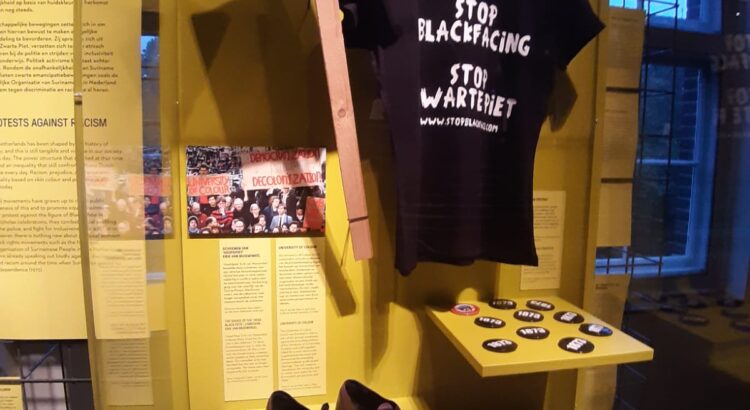
Afterlives of slavery – a small exhibition with a big impact.
‘Can the Tropenmuseum ever really be decolonized, being a former colonial institute?’, asks Mitchell Esajas himself in his reflection about the exhibition ‘Afterlives of Slavery’ – a semi permanent exhibition that opened in 2017 and is currently still open in the Tropenmuseum till the end of 2020. In the fall of 2017 25.000 people visited […]
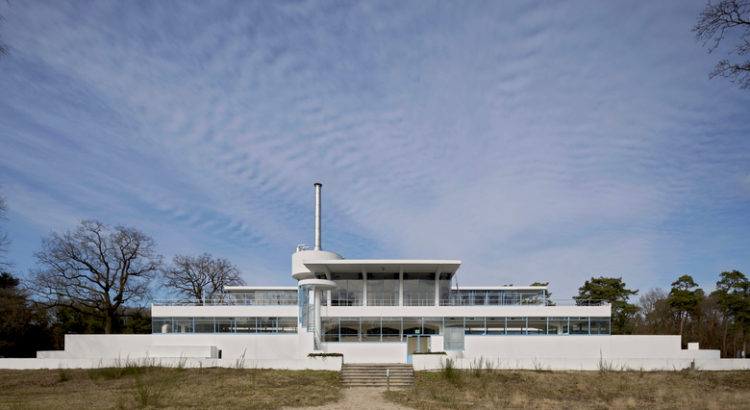
Zonnestraal, ship on the heath
In 1924 Thomas Mann published his novel The Magic Mountain: a masterpiece about medicine, death and disease. The story centers on the experiences of Hans Castorp, a young bourgeois German, at a tuberculosis sanatorium in the Swiss Alps. The book has had me in its tight grip ever since I bought it in 2015 and with […]
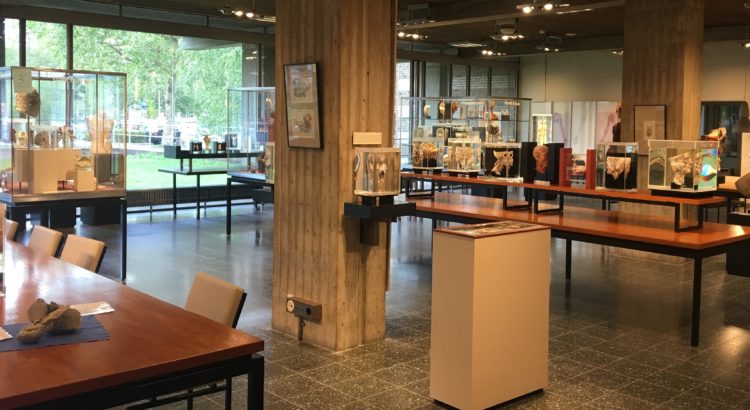
Whose museum? The benefit of anatomical museums to society
Because of their long history, most anatomical museums slowly transformed into museums of the history of anatomy. By displaying their collections the original way, visitors can learn how people thought of these specimen in the past. The anatomical collection of the Museum of Anatomy and Pathology in Radboud UMC is different. They only started collecting […]
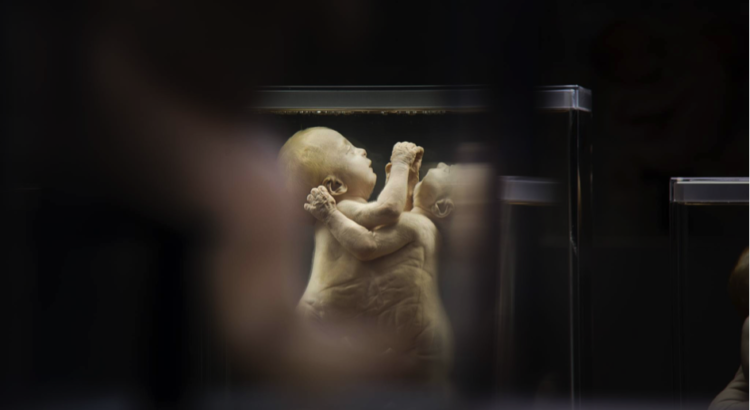
Monster or Marvel? – A Reflection on the Teratological Exhibition in Nijmegen
As Lucas Boer walks us through the Museum of Anatomy and Pathology in Nijmegen, sporadically stopping to tap on one of the many containers with human remains in them to get the air-bubbles out, he tells us about the way he designed the exhibition. It is obvious he spent a lot of time thinking about […]
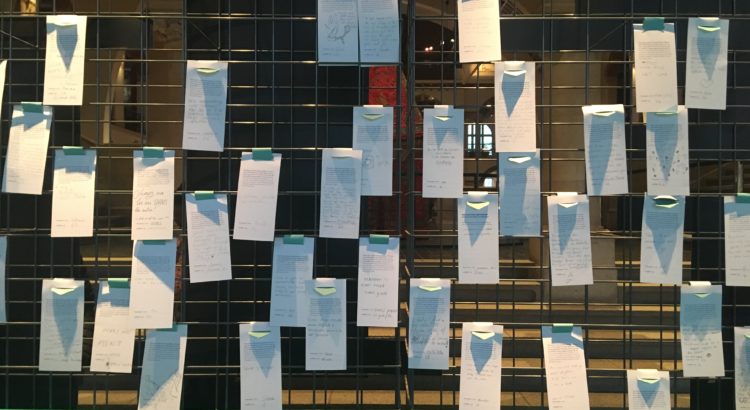
Afterlives of Slavery – “This is your history too!”
In October 2017 the Tropenmuseum in Amsterdam opened a small exhibition about the Dutch history of slavery. The exhibition is not just about the past though. “Afterlives of Slavery” connects the history of slavery with the present. After all, the colonial history doesn’t end with the abolition of slavery. Up until today people face racism […]

Dutch Open Air museum: being both an experience and part of an educational program
Visiting the Kruisgebouw in the Dutch Open Air museum (Nederlands Openluchtmuseum) brings you back to the 1950s including smells of the disinfectant Lysol and sounds of children crying and people bathing. Besides, this building is also part of the educational program Canon van Nederland in which fifty vensters make up the Dutch history that is […]
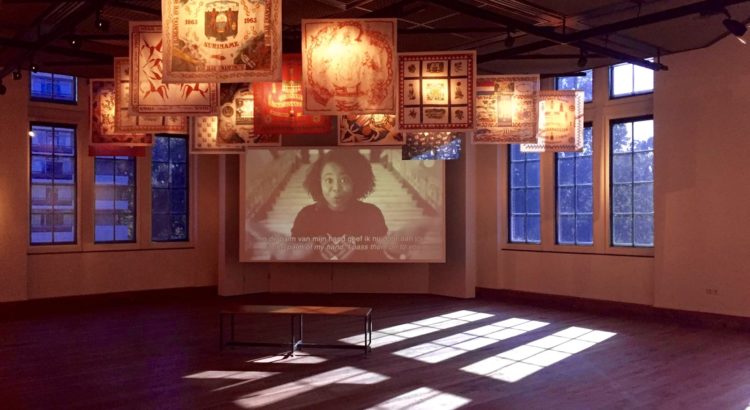
‘The Afterlives of Slavery’: moving towards a shared understanding of our past
As a political science student, I wrote my bachelor thesis on the foundation of a national slavery museum in Amsterdam. Focusing on the difficulties that arise in this process, I was mostly touched by the way in which we do not seem to be able to engage with the history of slavery as a shared […]
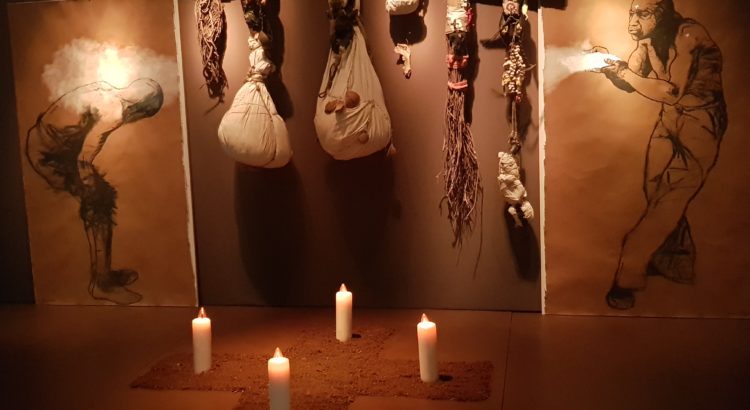
Opening up to Healing Power at Museum Volkenkunde
Healing is a relative new and vague concept in Western Europe. Most people think of treatments with secret sessions involving drugs such as ayahuasca. But these treatments are centuries old and are more than just drug sessions. It’s a world where mind, body and soul come together in the healing process. These treatments and methods […]
The anatomy of an anatomical collection
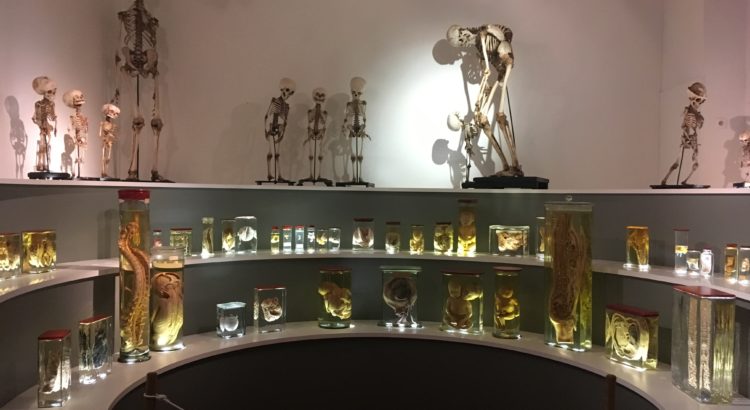
The Enschedé Room in the Rijksuniversiteit Groningen’s University Museum houses part of the anatomical collection of the University’s former Anatomical Museum. After the Anatomical Museum closed its doors in 2003, the collection was kept in storage until 2011 when part of the collection was moved to the University Museum. Shown in a display that calls […]