Mobile casino gaming has transformed the way Belgian players enjoy their preferred slots, table games, and live dealer experiences https://nine-casino-be.com/app/. The move from desktop-only platforms to fully optimised mobile environments did not happen overnight, but it has now attained a level of sophistication that matches traditional computer-based play. For anyone considering downloading a dedicated casino application such as Nine Casino, understanding the technical landscape, device requirements, and security protocols is essential. The ease of carrying a full casino library in one’s pocket attracts a broad demographic, from commuters going through Brussels Central Station to residents relaxing in the Ardennes countryside. This article walks through what modern mobile casino gaming actually involves: how applications are built, what installation looks like on different operating systems, and which features distinguish a well-built platform from a mediocre one. No hype, no exaggeration, just the facts that matter to Belgian users.
Connectivity Needs and Data Consumption
Understanding data consumption patterns helps Belgian users control mobile plans effectively, notably those on capped data tariffs. Slot games are fairly lightweight, requiring approximately 5 to 15 MB per hour depending on graphical complexity and animation frequency. This figure assumes continuous spinning; idle time between sessions generates negligible traffic beyond occasional keep-alive signals. Table games fall into a similar range, with slightly more frequent state synchronisation messages guaranteeing game logic remains consistent between the device and server. Live dealer streams form an entirely different category, with video quality settings directly determining data usage. At standard definition, a live blackjack or roulette stream requires roughly 300 to 500 MB per hour, comparable to watching video content on platforms like YouTube. High-definition streams may double that figure, and Belgian users should assess whether the visual improvement compensates for the additional data cost on their particular tariff.
Lag, rather than raw bandwidth, often determines live gaming experience quality. Mobile networks in Belgium, especially 5G deployments in Brussels, Antwerp, and Liège, provide latency below 30 milliseconds under optimal conditions, more than adequate for real-time betting interactions. 4G networks usually fall between 40 and 80 milliseconds, still perfectly usable, while older 3G infrastructure introduced delays resulting in missed betting windows in fast-paced games. Wi-Fi connections through fibre broadband deliver the most consistent performance, with latency often dropping into single-digit milliseconds. The application’s network resilience features encompass automatic reconnection logic restoring game state if a temporary drop occurs, preventing the loss of placed bets during brief signal interruptions. Belgian users moving through tunnels or rural zones with patchy coverage gain from this design, though intentionally placing bets while entering known dead zones continues to be inadvisable. Data usage statistics are commonly accessible within the application’s settings menu, allowing users to monitor consumption patterns over days, weeks, or months.
The Development of Mobile Casino Platforms
Mobile casino technology has evolved through distinct phases since the initial bare-bones mobile browser games emerged in the mid-2000s. Early attempts relied on stripped-down Java applications that provided restricted graphics, sluggish loading times, and a limited selection of titles. The arrival of HTML5 around 2014 signaled a turning point. Developers could now build games that loaded smoothly in mobile browsers without third-party plugins like Flash. This shift coincided with the widespread adoption of 4G networks across Belgium, which provided the bandwidth required for real-time data transmission in live casino environments. Today, dedicated applications like Nine Casino use native code to deliver faster performance than browser-based alternatives while maintaining cross-platform compatibility through hybrid development frameworks. Belgian players can now reach thousands of games with load times measured in seconds, enjoying touch-optimised interfaces that feel natural on smaller screens. Mobile gaming has emerged as the dominant channel in many European markets, including Belgium, where smartphone penetration exceeds eighty-five percent among adults.
The regulatory side of this evolution deserves attention. Belgium upholds a specific licensing framework for online gambling operators, and any mobile application provided to Belgian residents must meet standards established by the Belgian Gaming Commission. This includes requirements around player verification, responsible gaming tools, and the segregation of player funds. When a platform like Nine Casino makes its application available, it works within a structure that mandates transparency and player protection. The technical implementation of these requirements appears through mandatory age verification screens, deposit limit settings accessible from within the app, and clear links to support services. These features are not cosmetic add-ons. They are legally binding obligations that shape the application’s architecture. Understanding this regulatory backdrop assists Belgian users see why certain steps occur during installation and account setup, and why reputable platforms allocate significant resources in compliance infrastructure that might not be immediately visible but fundamentally protects their interests.
Frequently Asked Questions
Is it permissible to use a mobile gambling software in Belgium?
Yes, that is correct, as long as the company possesses a valid licence granted by the Belgian Gaming Commission. Authorized applications comply with national regulations concerning player verification, responsible gaming measures, and financial transaction security. Belgian residents ought to check an operator’s licensing status through the Commission’s public register before downloading any application. Participating through unlicensed platforms subjects users to legal risks and removes the protections that Belgian law provides to consumers interacting with regulated gambling services.
What steps should I take if the app fails to be installed on my Android device?
Firstly, confirm that the device runs Android 8.0 or newer and that adequate storage space is present. After that, verify that the browser used for downloading has permission to install applications from unknown sources; this setting is located under Security or Apps and Notifications in system preferences. If the APK file looks corrupted, erase it and obtain a fresh copy from the official website. Persistent issues may indicate compatibility problems with specific device models, and contacting customer support with the device model number and Android version will help in determining the cause.
In what way do mobile casino applications secure my payment information?
Transaction details is protected through multiple layers comprising TLS encryption during transmission, tokenisation that replaces card numbers with single-use identifiers, and secure storage within the device’s hardware-backed keystore. Applications do not store full card details in plaintext on the device or on application servers. Belgian payment methods like Bancontact leverage the same security infrastructure used for everyday banking transactions. Additional safeguards include mandatory identity verification before withdrawals and session timeouts that necessitate re-authentication after periods of inactivity.
Is it possible to use the same account across the bd.nl mobile application and the desktop website?
Yes, a single player account works seamlessly across all platforms offered by the operator. Balances, game history, bonus progress, and responsible gaming settings update in real time regardless of whether access occurs through the mobile application, a mobile browser, or a desktop computer. This unified account structure ensures that a deposit made on one platform is immediately available on all others, and withdrawal requests initiated from the application can be monitored through the desktop site without any difference in status or processing time.
Getting and Installing the Application
Obtaining a exclusive casino application follows a uncomplicated process, however the precise steps vary between Android and iOS platforms. For Android users in Belgium, the Google Play Store’s policies about real-money gambling applications result in many casino apps are distributed straight through the operator’s website. A user visiting the appropriate page from their mobile browser sees a clearly displayed download button that starts the APK file transfer. Before installation can proceed, the device must have authorization enabled for installing from unknown sources, found within the security menu of Android’s system preferences. This step exists to safeguard users from unintentionally installing unverified software, and it is entirely normal within the framework of obtaining gambling applications. Once the APK completes, tapping the file starts the system installer, which leads the user through permission requests the application demands to function properly, such as access to notifications for account alerts and promotional updates.
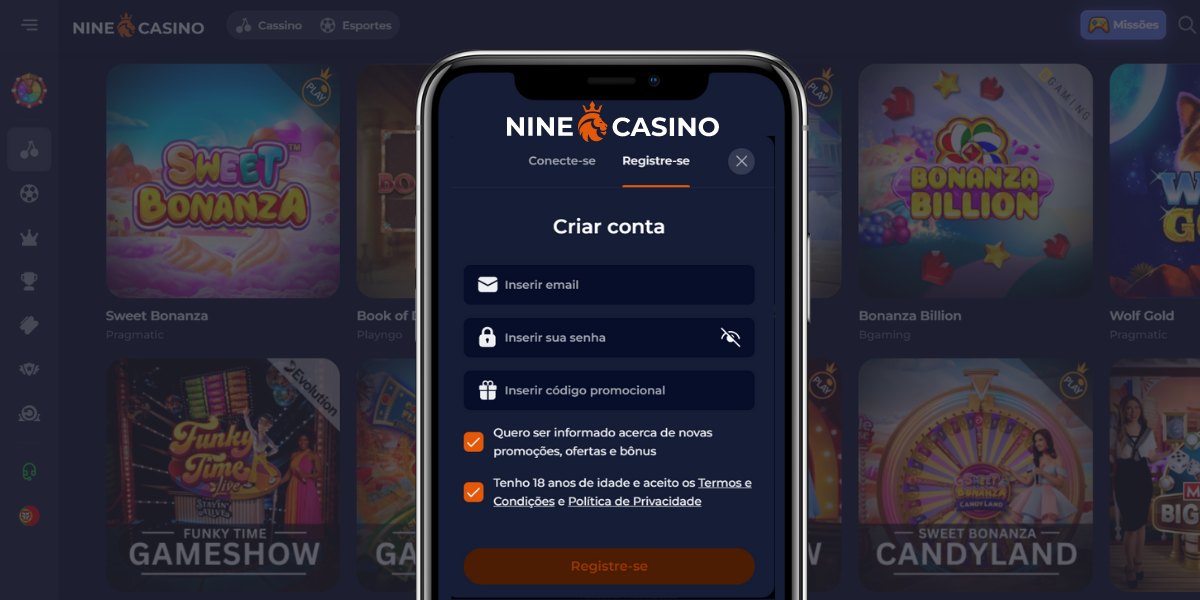
The iOS installation path takes a different route because of Apple’s more permissive stance on gambling applications in regulated markets. Applications like Nine Casino can be distributed through the App Store when the operator holds appropriate permits for the territories in which it works. A Belgian user simply looks for the application by name, checks the developer information to ensure validity, and clicks the download icon. Installation happens automatically, with the app icon showing up on the home screen within moments depending on network speed. Apple’s review process adds an extra verification layer, because each application version must pass scrutiny before publication. After installation on either platform, the first launch presents a login screen for existing account holders or a optimized registration form for new users. The registration process on mobile has been refined through years of user experience research to lessen typing fatigue, including dropdown selectors, auto-formatting fields for Belgian phone numbers, and clear error messaging that aids users correct mistakes before submission rather than after.
Security Structure of Mobile Casino Applications
The security structure underpinning a reputable mobile casino application works across multiple layers securing both personal data and financial transaction integrity. At the transport level, all communication between the application and the operator’s servers is encrypted using TLS protocols with certificate pinning, blocking man-in-the-middle attacks even when a device connects through compromised network infrastructure. Belgian players using public Wi-Fi in locations like Antwerp Central Station or a café in Ghent can therefore conduct transactions with confidence, though using a VPN routing traffic through jurisdictions with different gambling laws may trigger geo-location blocks designed to enforce Belgium’s regulatory boundaries. The application stores sensitive data within the device’s secure enclave or keystore, separated from other applications by sandboxing architecture. Authentication tokens expire on configurable schedules, and biometric login options add convenience without compromising credential security.
Financial security reaches beyond encryption to encompass the entire deposit and withdrawal workflow. Payment processors integrated into applications like Nine Casino comply with PCI DSS standards, and card details entered within the app are tokenised so actual card numbers never reside on the device or pass through the application’s backend in plaintext. Belgian users recognise familiar payment methods including Bancontact, which connects directly to national banking infrastructure and benefits from the same fraud detection systems protecting everyday retail transactions. Withdrawal requests trigger additional verification steps that may require document submission through the app’s secure upload portal, a process aligning with anti-money laundering directives enforced by Belgian authorities. The application’s responsible gaming tools also form part of the security architecture, allowing users to set deposit limits, session time reminders, and self-exclusion periods enforced at the server level. This server-side enforcement cannot be circumvented by reinstalling the application or switching devices, distinguishing regulated platforms from unlicensed alternatives that might store limits only locally.
Game Selection and Mobile-Specific Features
The game library offered via a mobile casino application mirrors its desktop counterpart in scope, while the presentation layer adapts to vertical screen orientations and touch-based navigation. Slot titles make up the bulk, with providers like NetEnt, Pragmatic Play, and Play’n GO optimizing releases for mobile from the initial design phase. This approach leads to larger touch targets for spin buttons, simplified paytable access through swipe gestures, and portrait-mode layouts showing reels prominently without horizontal scrolling. Belgian players navigating categories find filtering tools refining selections by provider, volatility level, or theme, and many applications offer a favourites system carrying over across devices when linked to the user’s account. Table games pose a different challenge on smaller screens, but refined interface design positions betting chips along the bottom edge where thumbs naturally rest, and multi-hand blackjack variants employ compact card representations that remain legible without zooming.
Live dealer games are the most technically demanding segment, streaming high-definition video from professional studios while overlaying an interactive betting interface. The video player adapts bitrate dynamically based on network conditions, dropping to lower resolutions during congestion rather than buffering indefinitely. Belgian users playing these games through an application like Nine Casino notice features such as camera angle switching, dealer chat functionality, and detailed game history panels emerging without eur-lex.europa.eu interrupting the stream. Beyond game content, mobile applications integrate notification systems notifying users to upcoming tournaments, bonus offers, or completed withdrawal requests. These notifications follow device-level Do Not Disturb settings and can be fine-tuned within preferences to avoid excessive interruptions. Another mobile-specific feature is offline account management capability; while games require active connections, functions like transaction history review, responsible gaming adjustments, and support ticket submission often work with intermittent connectivity, holding requests for transmission when the signal returns.
Updates and Extended Reliability
Mobile casino applications demand periodic updates to preserve compatibility with operating system changes, introduce new game titles, address security vulnerabilities, and refine interface elements. Android users who set up the application via APK must manually download updated versions from the operator’s website, since automatic updates through Google Play are not accessible for sideloaded applications. The application shows an in-app notification when a new version is available, with a direct link to the download page and release notes summarising changes. Belgian users should check for updates every few weeks, particularly after major Android version releases that might cause breaking changes to app permissions or background process handling. iOS users obtain updates through the standard App Store mechanism, with automatic updates configurable in system settings. The review process for each iOS update adds a few days of lead time compared to Android, so version numbers may temporarily vary between platforms despite containing identical feature sets.
Server-side maintenance affects application availability independently of client software version. Operators plan maintenance windows during periods of lowest activity, which for the Belgian market typically happen between 03:00 and 06:00 Central European Time. During these windows, the application may display a maintenance notification upon launch, and real-money gameplay remains unavailable, though account management functions often remain accessible. Unscheduled downtime is infrequent on reputable platforms and usually originates from infrastructure issues at hosting providers rather than application-level bugs. Long-term reliability relies on the operator’s commitment to ongoing development investment. Signs of a well-maintained platform feature regular game additions from multiple providers, responsive customer support accessible directly through the app, and transparent communication about technical issues. Belgian users assessing an application like Nine Casino can judge this commitment by reviewing update frequency in version history, the diversity of recently added game titles, and the presence of features showcasing contemporary mobile capabilities such as biometric authentication and dynamic text sizing for accessibility.
Device Compatibility and Performance Factors
Contemporary casino applications function across a diverse spectrum of devices, but grasping baseline requirements helps Belgian users establish realistic expectations. For Android, the minimum operating system version is usually Android 8.0 Oreo or newer, including the large majority of phones purchased in Belgium since 2017. Devices with at least 3 GB of RAM provide a smooth experience, though 4 GB or more is suggested for live dealer streams that demand simultaneous video decoding and interface rendering. Screen resolution is less important than one might think, since applications dynamically scale layouts to accommodate everything from compact 5-inch displays to expansive tablet screens. Processor demands are modest by contemporary standards; any device with a quad-core chipset running above 1.8 GHz processes slot animations and table game graphics without noticeable frame drops. Storage requirements are low, with the core application using under 100 MB, though cached game assets build up over time and profit from periodic clearing through the app’s settings or the device’s storage management tools.
On iOS, compatibility reaches to any iPhone or iPad running iOS 14 or later, encompassing models from 2015 onward, including the iPhone 6s and subsequent generations. Performance on Apple hardware is consistent thanks to the controlled ecosystem, with A-series chips providing ample graphical horsepower for elaborate slot titles. Belgian users with older devices should keep in mind that battery consumption during extended sessions changes based on screen brightness, background app activity, and the specific game type. Live dealer games with continuous video streaming use more power than simple slot spins, and players preparing longer sessions away from charging points might lower screen brightness or enable low-power mode. Network connectivity represents the final piece of the performance puzzle; a stable 4G connection suffices for all game types, though Wi-Fi provides lower latency noticeable in time-sensitive table game interactions. Belgian mobile networks provide robust coverage in urban centres and along major transport corridors, though rural areas in Wallonia may experience variable signal strength that could affect live streams.